Why Bees Matter for Natural Burial Grounds
Tagged in:#environmental#natural-burial#news-updates#wildlife-nature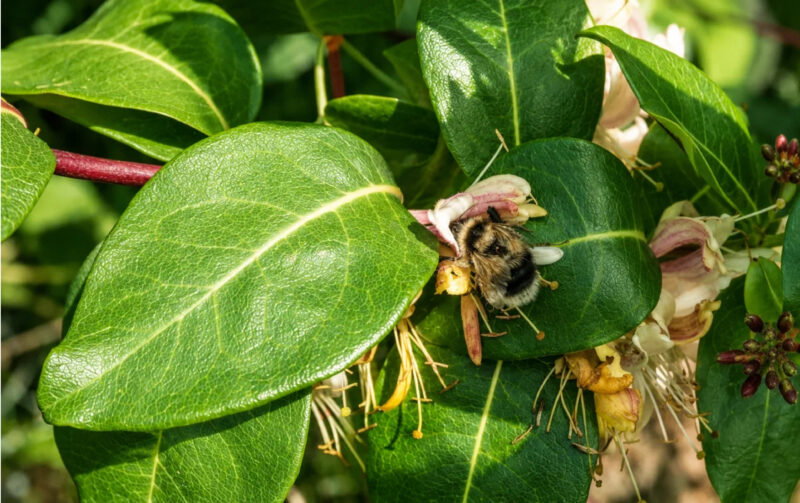
Why Bees Matter for Natural Burial Grounds
Bees play a vital role in keeping our natural landscapes healthy and thriving. From pollinating wildflowers to supporting biodiversity across the countryside, these small pollinators are essential to the ecosystems around us.
Across the UK, there are more than 270 species of bee, each contributing in different ways to the natural environment. From familiar bumblebees to solitary mining bees quietly nesting beneath the soil, every species helps support the plants, flowers, and wildlife that make our landscapes flourish.
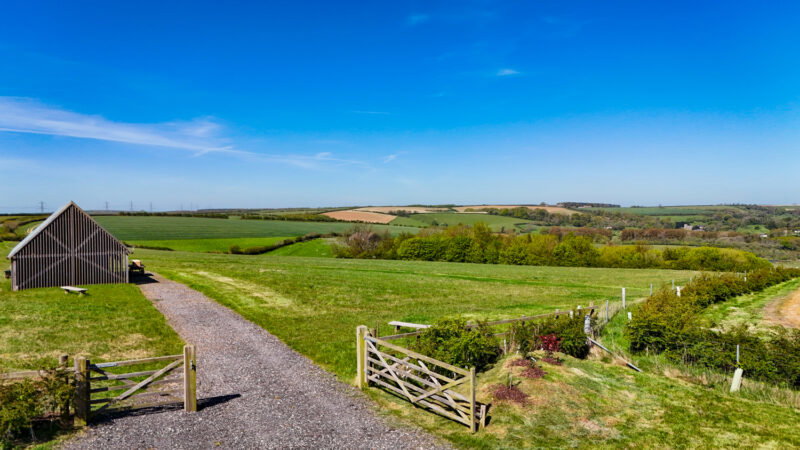
At Leedam natural burial grounds, we believe caring for natural burial grounds also means caring for the wildlife that depends on them. Wildflower meadows, uncultivated grassland, and natural planting can create valuable habitats for bees and other pollinators, helping preserve biodiversity for generations to come.
Bumblebees
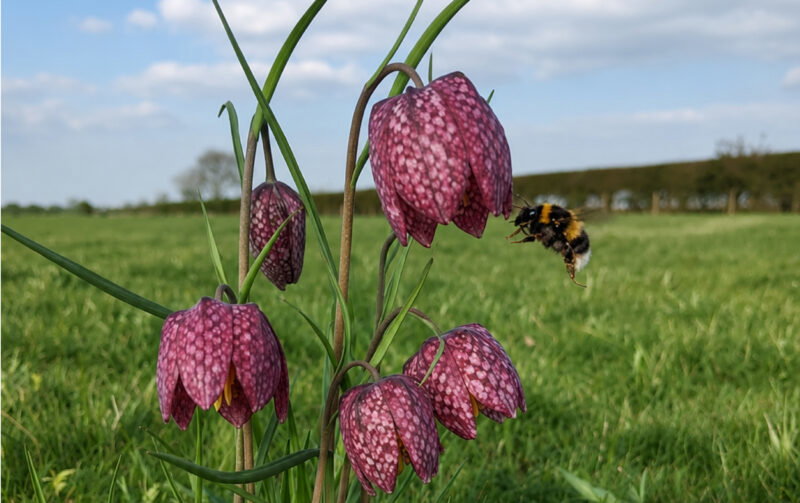
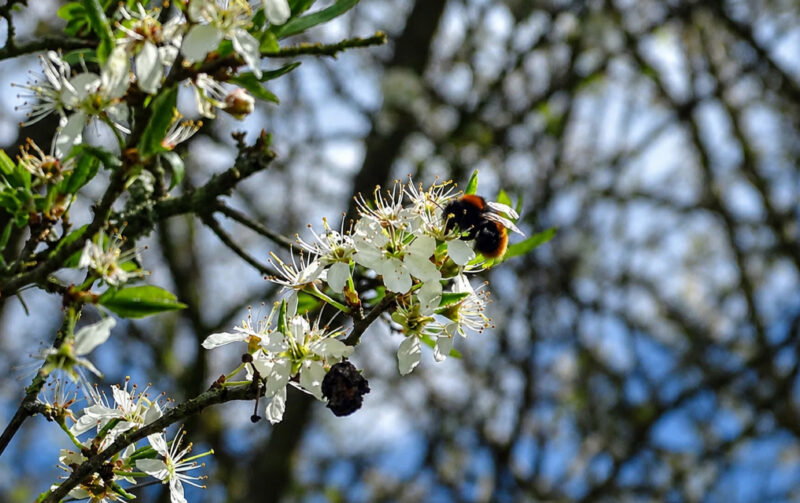
Bumblebees are perhaps the easiest bees to recognise thanks to their round, fuzzy bodies and gentle nature. There are around 24 species of bumblebee in the UK, many of which are important pollinators for wild plants and crops.
Bumblebees thrive in flower-rich meadows and undisturbed grassland where they can forage for pollen and nectar throughout spring and summer. Their work helps maintain the natural beauty and diversity of landscapes across the British countryside.
Honeybees
Honeybees are well known for producing honey and living in large colonies. Unlike many wild bee species, honeybees are usually cared for by beekeepers, but they still play a significant role in pollination.
During warmer months, honeybees can often be seen visiting flowering plants, hedgerows, orchards, and wildflower meadows. Their pollination supports both natural ecosystems and food production across the UK.
Solitary Bees
Most bee species in the UK are actually solitary bees. Rather than living in colonies, solitary bees work alone, building nests in soil, hollow stems, or tiny spaces in wood and stone.
Mining bees, mason bees, and leafcutter bees all belong to this group.
Although they are often smaller and less noticeable than bumblebees, solitary bees are incredibly important pollinators and are highly effective at pollinating native wildflowers and plants.
Because many solitary bees nest in undisturbed ground, natural landscapes and meadow environments can provide ideal habitats for them to thrive.
How Natural Burial Grounds Support Biodiversity
Bees rely on natural habitats for food, shelter, and nesting. Wildflower meadows, hedgerows, long grasses, and uncultivated land all provide valuable environments for pollinators and wildlife.
Unlike traditional cemeteries with rows of headstones and heavily maintained lawns, natural burial grounds are often managed with biodiversity and conservation in mind. Landscapes are allowed to develop naturally over time, helping create peaceful environments filled with native plants, insects, birds, and wildlife.
At many of our natural burial grounds, visitors will see wildflowers blooming through the seasons, pollinators moving quietly through meadow grasses, and birds nesting in nearby hedgerows.
These spaces become more than places of remembrance — they become living landscapes that continue to support nature long into the future.
You can learn more about our natural burial grounds across the UK on the Leedam Natural Burials website.
A Legacy Rooted in Nature
Natural burial offers families a simpler and more environmentally conscious alternative to traditional cemeteries. Rather than creating heavily landscaped memorial spaces, the land is cared for as a natural environment where wildlife and biodiversity can continue to flourish.
By protecting green spaces and encouraging biodiversity, natural burial grounds create a lasting legacy — one that continues to give back to the earth for future generations.
At Leedam, we are proud to care for landscapes that support both remembrance and the natural world.
Frequently Asked Questions
Do natural burial grounds help wildlife?
Yes. Natural burial grounds are often managed as wildflower meadows or natural landscapes, helping create habitats for pollinators, birds, insects, and other wildlife.
Why are bees important for biodiversity?
Bees help pollinate wildflowers, plants, and trees, supporting healthy ecosystems and encouraging biodiversity across natural landscapes.
What plants attract bees?
Wildflowers such as clover, knapweed, foxgloves, bluebells, lavender, and daisies are all valuable food sources for pollinators.
Why are wildflower meadows important for bees?
Wildflower meadows provide bees with nectar, pollen, shelter, and nesting habitats throughout the seasons, helping support declining pollinator populations.
What is natural burial?
Natural burial is a more environmentally conscious alternative to traditional burial. Instead of traditional cemeteries with rows of headstones, natural burial grounds are managed as peaceful natural landscapes that support wildlife and biodiversity.