Why Do Natural Burial Grounds Have Long Grass?
Tagged in:#environmental#news-updates#wildlife-nature
Why Do Natural Burial Grounds Have Long Grass?
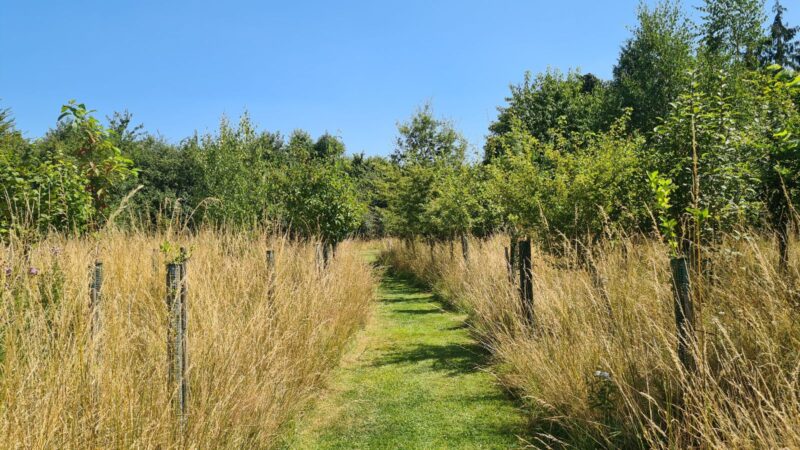
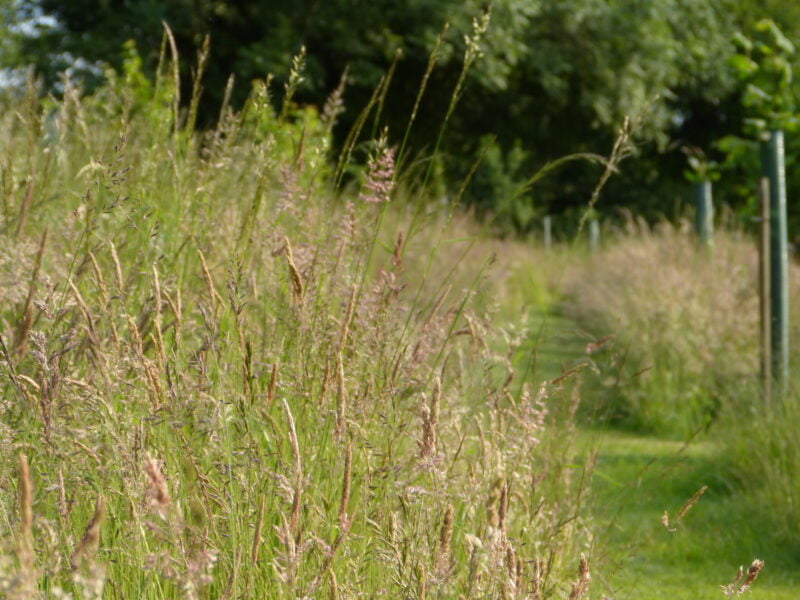
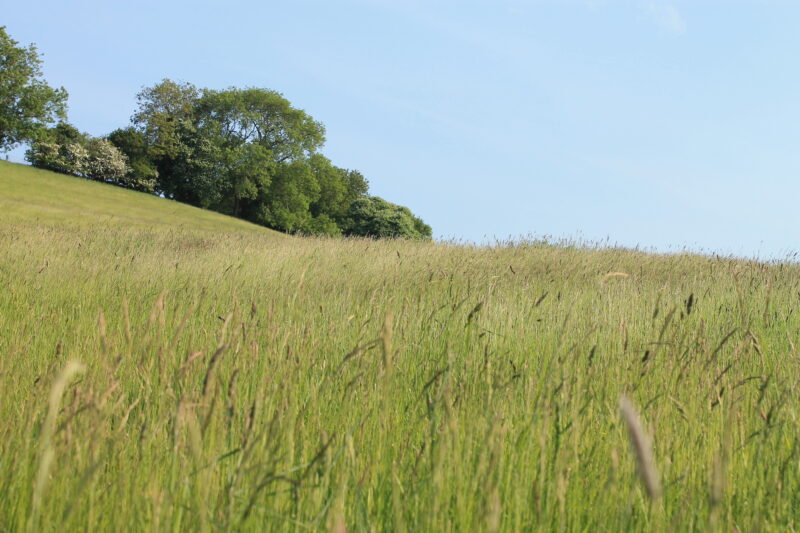
If you’ve visited one of our natural burial grounds, you may have noticed areas of longer grass, wildflowers and seed heads throughout the landscape.
To some, it might look untidy compared to a traditional cemetery. But in reality, every meadow is carefully managed to support wildlife and encourage biodiversity.
Long grass isn’t simply left to grow; it’s an essential part of creating healthy, thriving habitats where nature can flourish.

Long Grass Is Home to Wildlife
A meadow filled with long grasses provides shelter for an incredible variety of wildlife.
Butterflies, bees, beetles and grasshoppers all rely on taller vegetation for protection from predators and the changing weather. Small mammals, amphibians and countless other species also find food and shelter amongst the grasses.
Rather than being empty space, every patch of long grass is full of life.
A Haven for Pollinators
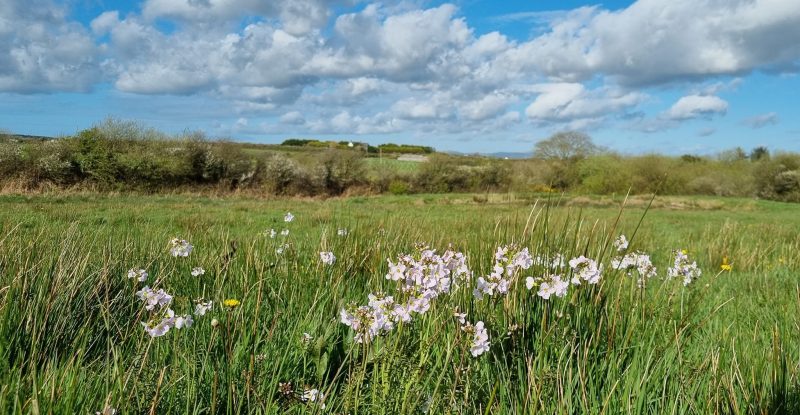
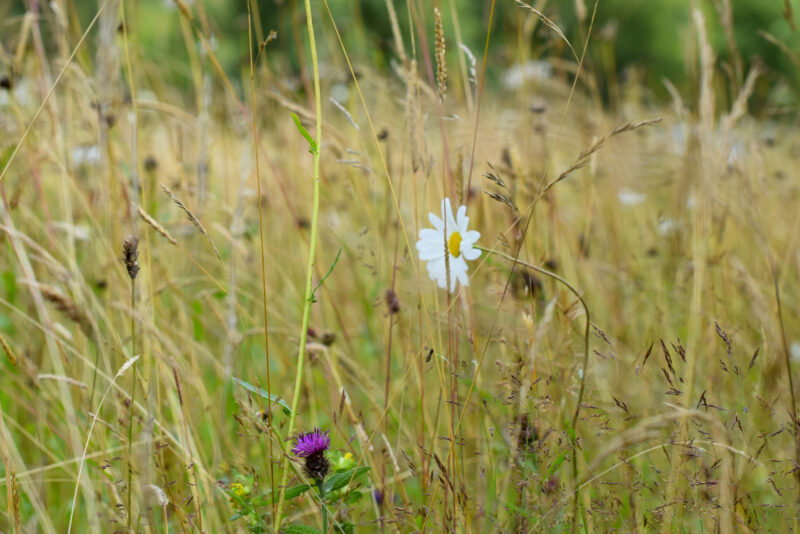
Wildflowers growing amongst the grasses provide an important source of nectar throughout the spring and summer.
Bees, butterflies, hoverflies and other pollinating insects depend on these flowers for food, helping to pollinate native plants and support healthy ecosystems.
Without areas of longer grass and flowering meadows, many pollinators would struggle to survive.
Feeding Birds Throughout the Seasons
As summer turns to autumn, seed heads become a valuable food source for birds, while the grasses continue to provide shelter during the colder months.
By allowing plants to complete their natural life cycle, we support wildlife long after the flowering season has ended.
Healthy Grass Means Healthy Soil
Long grass also benefits the ground beneath our feet.
Deep root systems improve soil structure, help retain moisture during dry periods and reduce erosion. Healthy soils are full of microorganisms, fungi and insects that are essential to a balanced ecosystem.
This hidden world beneath the surface is just as important as the landscape above it.
Carefully Managed, Not Neglected
One of the biggest misconceptions about natural burial grounds is that areas of long grass are simply left unmanaged.
In reality, these landscapes are carefully cared for throughout the year.
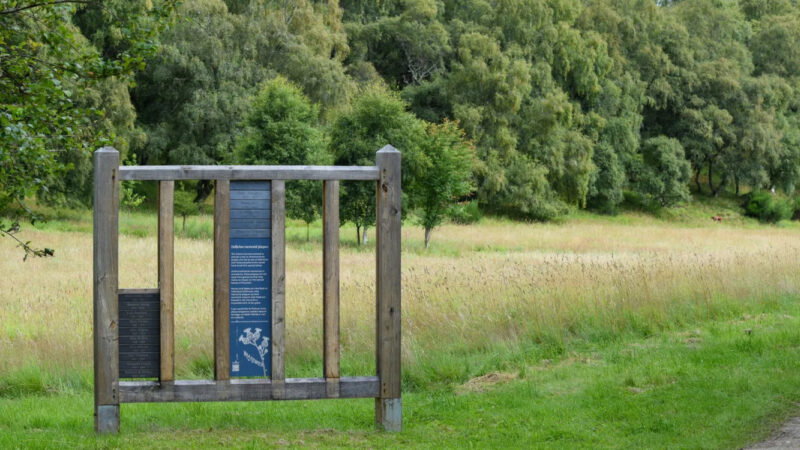
Paths are regularly mown to ensure visitors can comfortably walk around the burial ground, while meadow areas are managed at appropriate times to encourage native wildflowers and maintain healthy habitats for wildlife.
The aim isn’t to create an overgrown landscape; it’s to create a living one.
Why This Matters at a Natural Burial Ground
Natural burial grounds are designed to work with nature rather than against it.
Instead of highly manicured lawns and formal planting, the landscape is allowed to evolve naturally, creating places where wildlife can thrive alongside peaceful spaces for remembrance.
Many families tell us they find comfort in knowing that the resting place of their loved one is helping to support birds, bees, butterflies and native wildflowers for generations to come.
It is a landscape that continues to grow, change and give back to nature.
Looking Beyond the Long Grass
The next time you see a meadow of long grass, take a closer look.
You’ll notice butterflies moving between wildflowers, bees collecting nectar, birds searching for seeds and countless insects hidden amongst the stems.
What may look wild is, in fact, carefully cared for.
Because long grass isn’t empty.
It’s home.