Why a Natural Burial Ground May Be a Better Experience for Those Who Are Neurodivergent
Tagged in:#natural-burial#other
Why a Natural Burial Ground May Feel Right for Neurodivergent People
Funerals and burial spaces are deeply personal experiences – shaped not only by tradition, but by the senses, surroundings and pace of a place. For many people who are neurodivergent, conventional funeral settings can feel overwhelming, disorienting or stressful.
In contrast, a natural burial ground – quiet, unhurried and rooted in the landscape – can offer a gentler way to be present, remember and reflect. This article explores why natural burial environments may feel more supportive for people who are neurodivergent or sensitive to sensory experience.
What Makes Natural Burial Grounds Different
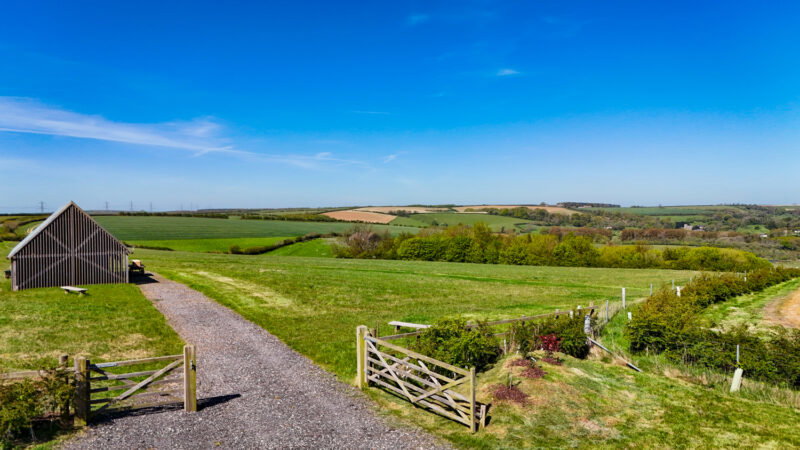
Natural burial grounds are intentionally simple and led by the landscape. Rather than tarmac paths, rows of headstones and busy, formal spaces, they often offer:
- Open skies, grass, flowers and trees
- Quiet, natural ground surfaces and soft paths
- Birdsong and wind instead of engines, announcements or amplified sound
- Space to move, pause, or step aside without drawing attention
These qualities can make a natural burial ground feel more sensory-friendly – calmer, less visually cluttered, and easier to navigate at your own pace.
Why Natural Burial Grounds Can Feel Calmer and Easier
Natural soundscapes and quieter spaces
Many conventional funeral settings include music, PA systems, echoing rooms, or crowds moving in and out. For someone who is neurodivergent, unpredictable noise or overlapping sounds can be difficult to process.
Natural burial grounds tend to offer softer, steadier sound – wind in the trees, birdsong, and a sense of quiet continuity. This can reduce sensory stress and make it easier to focus on remembrance.
Flexible, unhurried movement
Traditional venues can involve tight schedules, fixed seating and prescribed routes. That structure may feel restrictive for people who need to move, take breaks, or change position to stay regulated.
In many natural burial settings, there is more physical freedom: the ability to walk slowly, step aside, sit quietly, or take a moment away from the group without disruption.
Visual calm and open space
Some neurodivergent people experience sensitivity to visual clutter – bright lighting, sharp contrasts, busy patterns or crowded interiors. Natural burial grounds generally offer a quieter visual experience:
- Soft, natural colours
- Open views and clear horizons
- Gentle changes in light and shadow
This visual simplicity can feel grounding and reassuring.
A slower, more personal pace
Many natural burials are planned with a quieter rhythm, without the feeling of back-to-back services or strict timetables. Having more choice over pace – and the option to pause, breathe, or step away — can make the day feel more manageable.
How Natural Burial Grounds Can Support Sensory and Emotional Wellbeing
A funeral does not need to be loud, staged or hurried to be meaningful. For many neurodivergent people – and for others who find formal spaces challenging – what matters is having an environment that supports calm presence.
Natural burial grounds may offer:
- Predictability: fewer sudden interruptions and less amplified sound
- Space: room to breathe, move, and step aside if needed
- Gentle sensory cues: natural sound, light and landscape instead of bright interiors
- Inclusivity: the freedom to participate in ways that feel safe and respectful
These qualities can make remembrance feel less overwhelming and more accessible.
Practical Tips for Visiting a Natural Burial Ground
If you or someone you care about is neurodivergent, a few small preparations can help the experience feel more comfortable:
- Visit in advance if you can, to become familiar with the landscape and layout
- Plan arrival times to avoid busy moments and allow a calmer start
- Bring comfort items such as a hat, scarf, sunglasses or earplugs
- Agree on a quiet signal so someone can step away without having to explain
These gentle adjustments can make space for the day to unfold with less pressure.
A Final Thought on Person-Centred Experience
A funeral is not a one-size-fits-all event. It is a moment of memory, connection and reflection – and everyone deserves a space where they can be present without overwhelm.
For people who are neurodivergent, or sensitive to sound, pace and space, a natural burial ground can offer an environment that feels calmer and more humane. In these landscapes, silence isn’t empty, and each person can engage in their own way – gently, respectfully, and at their own pace.
At Leedam, we believe meaningful farewells are shaped by place, pace and presence – and that care should include the experience of everyone who comes to remember.