Scattering Ashes in the UK: A Thoughtful Approach
Tagged in:#environmental#funerals#natural-burial#other#planning-ahead#wildlife-nature
Scattering Ashes in the UK: What You Need to Know
Scattering ashes can feel like a gentle and personal way to say goodbye. For many families, it offers a sense of freedom, returning someone to a place they loved, or allowing them to rest within the wider landscape.
Yet even this simple act deserves care and consideration. Where ashes are scattered, and how, can affect both the people who share that space and the natural world itself.

Is It Legal to Scatter Ashes in the UK?
In the UK, there is no law that prevents ashes from being scattered. However, permission is an important part of the process.
If you wish to scatter ashes on land you do not own, whether that is countryside, woodland, farmland or a public park, you should first seek consent from the landowner or managing authority. This helps ensure the act is respectful, appropriate, and in keeping with how the land is cared for.
Scattering ashes is as much about place as it is about memory.
Choosing Where to Scatter Ashes
Private Land and Gardens
Ashes may be scattered on land you own without permission. Some families choose their own garden, drawn by familiarity and closeness. It can be comforting, though it’s worth reflecting on how long that place will remain accessible in the future.
Countryside, Parks and Public Spaces
For shared spaces, permission is usually required. This protects sensitive landscapes and ensures others can continue to enjoy the place without disturbance. Thoughtfulness here helps preserve the quiet dignity of the act.
Water, Rivers and the Sea
Ashes can be scattered at sea, and in flowing water, when done carefully. It’s best to avoid busy areas, swimming spots, and drinking water sources, and to choose calm conditions so the ashes settle gently where intended.
Water can feel like a powerful symbol of movement and return, but it deserves respect as well.
The Environmental Impact of Scattering Ashes
Cremated remains are not entirely neutral. Ashes contain minerals that, in high concentrations, can alter soil or affect plant life. Repeated scattering in the same place, particularly in delicate environments, may have unintended consequences over time.
This is why some landscapes, including natural burial grounds, choose to manage ashes carefully, offering interment rather than scattering. It allows the land to remain balanced, living, and protected for the future.
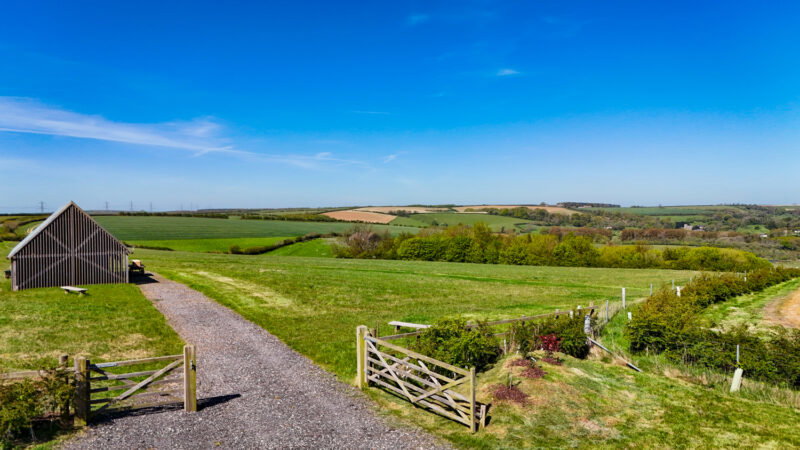
At Leedam, the health of the land is always part of the conversation.
Alternatives to Scattering Ashes
For those who wish for a permanent place of remembrance, there are other gentle options:
– Interring ashes within a natural burial ground
– Burying ashes in a biodegradable container
– Choosing a quiet place designed for reflection
– Creating a living memorial through planting
These choices offer continuity, a place that can be returned to, season after season.
A Moment of Care
There is no single right way to scatter ashes. What matters most is the intention behind the choice, and the care taken in carrying it out.
Pausing to ask permission.
Choosing a place thoughtfully.
Leaving the land as you found it.
These small acts of consideration ensure the farewell feels respectful, not only to the person who has died, but to the world that continues.
At Leedam, we believe remembrance should sit gently within the landscape. Whether ashes are scattered, buried, or kept in a place of quiet reflection, the most meaningful choices are those made with awareness, simplicity, and care. Get in touch if you wish to arrange an ashes interment at one of our burial grounds, we are always happy to help.