Understanding Greenwashing in the Funeral Industry: A Thoughtful Guide
Tagged in:#environmental#funerals#natural-burial
Greenwashing and Funerals: Choosing Truly Sustainable Options
As interest in eco-friendly funerals grows, so does confusion about what truly counts as sustainable. More families are asking whether funeral options described as “green” or “natural” genuinely reflect environmental care, or whether they are simply marketed that way without meaningful substance.
This practice is known as greenwashing. In the funeral industry, it can make it difficult to tell which choices genuinely reduce environmental impact, and which rely on vague or misleading claims.
This guide explores what greenwashing is, how it appears in funerals, and how families can make more informed, transparent choices.
What Is Greenwashing?
Greenwashing is a marketing practice where a product, service or organisation presents itself as environmentally friendly without making changes that meaningfully reduce harm to the planet.
It often involves:
- Using undefined or vague environmental language
- Highlighting one “green” feature while ignoring wider impact
- Making claims that are difficult to verify
- Creating the impression of sustainability without long-term commitment
In the context of funerals, greenwashing can appear subtle, and often unintentional, but it still matters deeply to families making thoughtful end-of-life decisions.
How Greenwashing Appears in the Funeral Industry
Funerals involve many elements, from materials and chemicals to land use and long-term care. This complexity creates opportunities for environmental claims that do not always reflect the full picture.
“Eco-Friendly” Coffins That Aren’t Fully Biodegradable
Some coffins are described as eco-friendly while still containing plastics, metal fittings, synthetic linings or chemical finishes that slow decomposition and remain in the soil.
True biodegradable coffins are made entirely from natural materials and break down without leaving harmful residue.
“Natural” Burial That Includes Harmful Practices
In some cases, burial services described as natural may still allow embalming chemicals or soil-disturbing practices that conflict with what most people expect from a truly natural funeral.
Without clarity, families may assume sustainability where it does not fully exist.
Symbolic Environmental Gestures
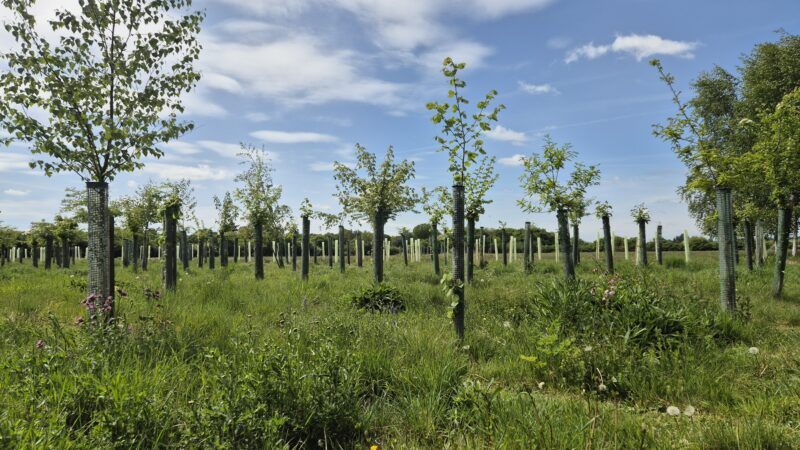
Tree planting or other symbolic gestures can be meaningful, but they do not automatically equate to sustainability. Without long-term land protection and ecological care, these actions may offer reassurance rather than genuine environmental benefit.
Why Greenwashing Matters
When families choose an environmentally mindful funeral, they do so with care, thinking about land, wildlife, legacy and responsibility.
Misleading environmental claims can undermine those intentions, making it harder to trust genuinely sustainable options and eroding confidence across the industry.
True sustainability is holistic. It considers materials, practices, land management and long-term ecological impact, not just how something is described.
How to Spot Greenwashing in Funeral Choices
If you are considering a natural or eco-friendly funeral, these questions can help bring clarity:
Ask About Materials and Chemicals
A genuinely natural funeral avoids plastics, toxic finishes and embalming chemicals that can harm soil and water.
Look for Long-Term Land Care
Sustainable burial grounds protect biodiversity, encourage native species and allow nature to flourish over decades, not just at the moment of burial.
Be Cautious of Vague Language
Terms like “green”, “eco-friendly” or “natural” should be clearly defined. If explanations are unclear or evasive, it’s reasonable to ask more questions.
Value Transparency
Providers committed to sustainability are open about their practices. They welcome questions and are clear about what is, and isn’t included.
What Genuine Sustainability Looks Like
A truly sustainable funeral works with natural processes rather than against them. It prioritises the health of the land, both now and in the future.
This often includes:
- Biodegradable coffins or burial shrouds
- No embalming chemicals
- Minimal disturbance of soil
- No concrete, artificial turf or harmful maintenance products
- Ongoing care of the landscape for wildlife and biodiversity
In this model, the body returns gently to the earth, and the land itself is strengthened rather than depleted.
A Thoughtful Approach to Funeral Choices
Greenwashing is not always deliberate. It can arise from unclear standards or a lack of shared understanding across the funeral industry.
That is why asking questions matters. A thoughtful provider should be willing to explain how their practices support the environment, protect the land and align with the values they describe.
At Leedam, we believe transparency and care for the land go hand in hand. When families are given clear information, they can make choices that truly reflect their values, and leave a legacy that is genuinely kind to the earth.